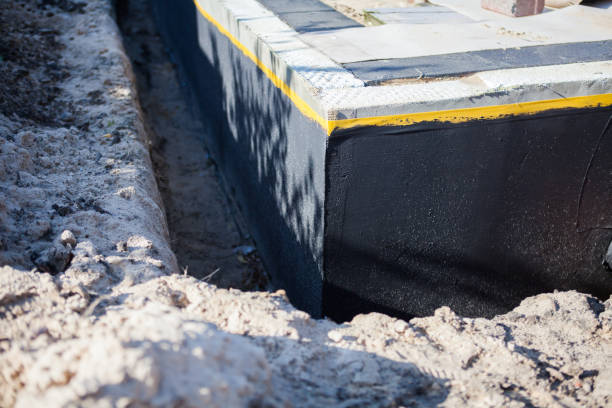
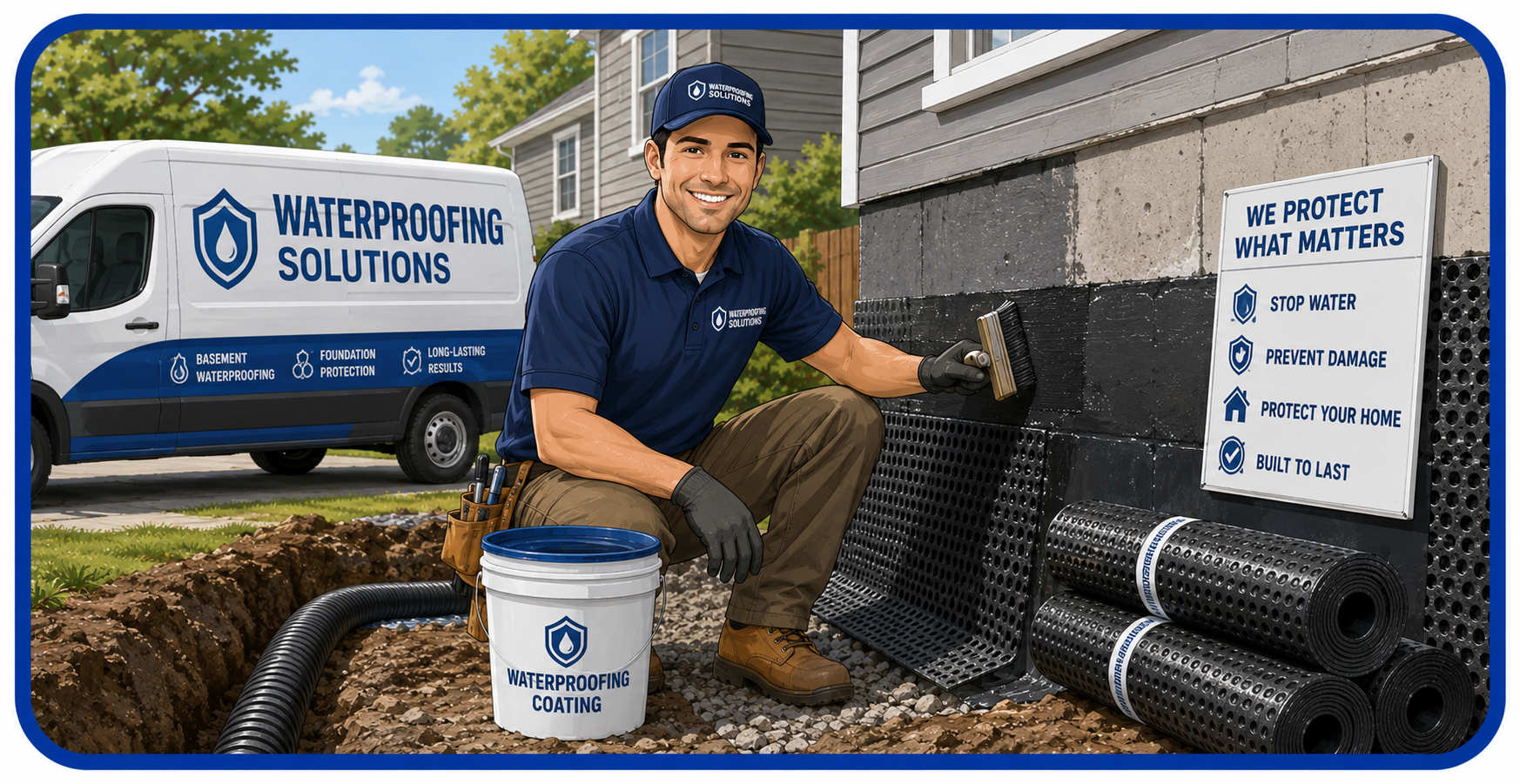
From a hairline crack in the block wall to three inches of standing water in the crawl space, our Georgia, GA crews handle it with the same flat-rate pricing and same-day dispatch every time.

SGP Waterproofing is a licensed and insured Waterproofing contractor serving homeowners, property managers, and commercial building owners across Georgia, GA. We didn't start as a marketing company that added waterproofing to a service list — our crews came up running sump pumps, pouring interior drain tile, and injecting epoxy into foundation cracks long before the trucks had our name on the door.
We keep our crews local rather than routing calls through a national call center, which means the technician who answers your questions on the phone is often the same person standing in your basement two hours later. That continuity cuts down on the miscommunication that drags out so many waterproofing jobs.
Older Georgia, GA neighborhoods often have block foundations poured decades before modern drainage codes existed, while newer subdivisions tend to run poured concrete with a perimeter drain that was installed correctly but has since clogged with silt. Knowing which era of construction you're dealing with changes the repair plan before a single tool comes out of the truck.
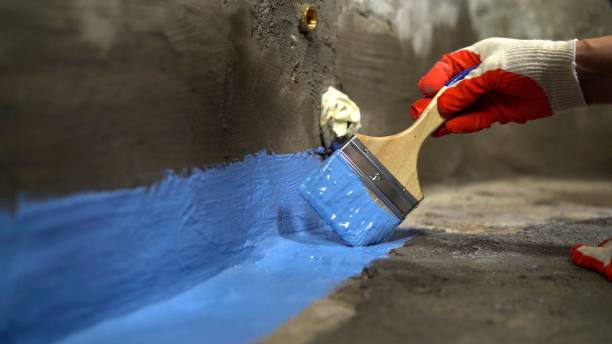
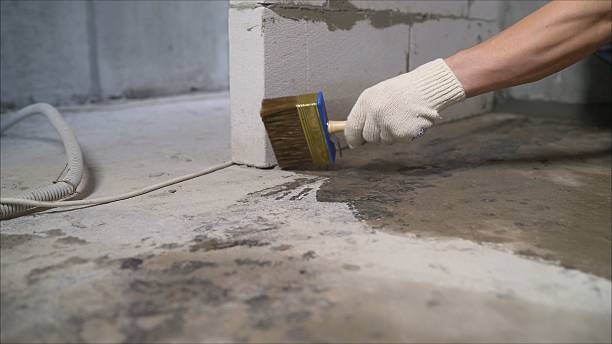
We also see a lot of properties where a previous waterproofing attempt only addressed the symptom — a topical sealant painted over a cracked wall, for example — without solving the pressure or grading issue causing the crack in the first place. Part of every Georgia, GA inspection is checking for that kind of prior patch job before we recommend anything new.
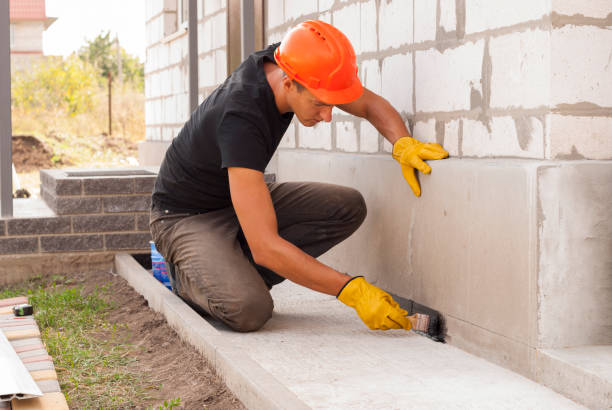
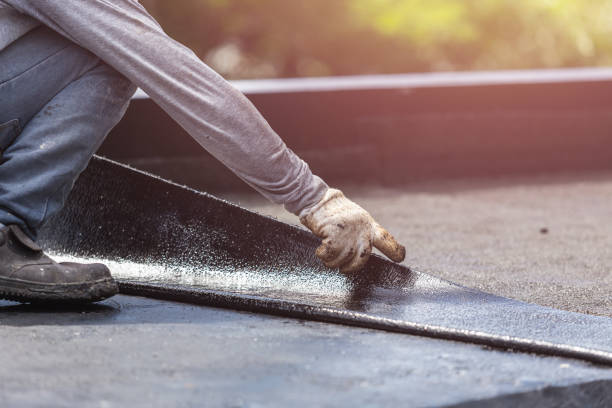
Water damage rarely announces itself with a flooded basement on day one. It usually shows up as one of these smaller signals first, and Georgia, GA's seasonal moisture swings tend to speed the timeline up.
That damp, earthy smell in a finished or unfinished basement is usually mold or mildew feeding on moisture that's already gotten past your walls.
Efflorescence forms when water carries dissolved minerals through porous concrete and leaves them on the surface as it dries — a clear sign moisture is actively passing through.
Small stair-step cracks in block walls or vertical hairline cracks in poured walls tend to widen over a season or two as hydrostatic pressure keeps pushing.
Bubbling paint or soft drywall near the baseboards is one of the last signs to show up, which means moisture has typically been present for weeks already.
A window well that fills with water during heavy rain is putting direct pressure on the glass and frame, and it's one of the most common entry points we find in older Georgia, GA homes.
Puddling near the foundation that doesn't drain within a few hours usually means grading, gutters, or a failing perimeter drain — and it's the fastest path to a flooded basement.
We scope every Georgia, GA job in person before quoting it, because two houses with the same symptom rarely need the same fix. These are the five services that make up most of our workload.
A burst window well seal or a failed check valve can put inches of water in a basement in under an hour — our emergency crews carry truck-mounted extraction pumps and moisture meters to start mitigation the same day you call.
Most Georgia, GA basements need a combination of interior drainage and a properly sized sump pump — we size the system to your square footage and soil type, not a one-size-fits-all package.
Parking garages, below-grade retail space, and multi-family basements need waterproofing membranes and drainage systems rated for continuous traffic and higher hydrostatic load.
Low-pressure epoxy injection bonds structural cracks back together, while polyurethane injection is better suited for cracks that are still actively leaking.
We install heavy-gauge vapor barriers, seal foundation vents, and add a dedicated sump basin so a damp Georgia, GA crawl space stops feeding moisture into the floor joists above it.
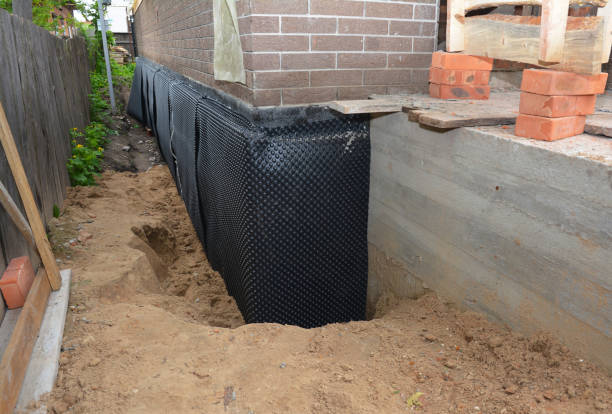
Exterior French drains paired with corrected grading are usually the first thing we recommend for a property that's flooding from the outside in, not the inside out.
You describe what you're seeing and we ask a few questions to gauge urgency before anyone gets in a truck.
A technician maps moisture readings, checks grading, and identifies whether the source is groundwater, surface water, or condensation.
You get a flat-rate, itemized quote before any work starts — no verbal estimate that changes once the crew shows up.
Once installation wraps, we test the sump pump under load and walk you through the warranty paperwork before we leave the site.
You'll know the total cost before we start — no hourly billing, no surprise add-ons once the walls are already open.
Same-day availability isn't guaranteed on every job, but our Georgia, GA dispatch is built to prioritize it whenever the situation calls for it.
Our crews run truck-mounted extraction units, moisture meters, and thermal imaging cameras — not a shop-vac and a guess.
Warranty callbacks get the same dispatch priority as a new emergency, because a repeat leak is still an active problem for you.

Every interior drainage system, sump installation, and crack repair we complete in Georgia, GA comes with a written, transferable warranty — useful if you sell the property before the coverage period ends.


We dispatch crews to cities and towns throughout Georgia, GA, with local technicians staged across the state to keep response times short no matter which community you're in.

Visit any city page on this site for the specific zip codes and neighborhoods we cover in that community, or call +1-866-476-1348 and a dispatcher can confirm coverage for your address directly.

"Our basement flooded during a storm at 2am and someone actually picked up the phone. The crew had pumps running before sunrise and came back two days later to install the drain tile system."
— Georgia, GA Homeowner
"The crack in our basement wall had been leaking for a year before we finally called. Injection took less than an afternoon and it's been dry since."
— Georgia, GA Seller
"The crawl space under our addition never dried out properly. Full encapsulation with a dehumidifier fixed it in one visit."
— Georgia, GA Homeowner
"Our old sump pump died during the biggest storm of the year and we got water in the finished basement. They replaced it with a battery backup system so we're covered even during a power outage."
— Georgia, GA Customer
"Property management hired them to fix water coming through the garage ceiling. They scheduled the membrane work in phases so we never had to close the whole garage."
— Georgia, GA Property Manager
"They found the actual source of the dampness instead of just recommending a dehumidifier and calling it done. Been dry for over a year now."
— Georgia, GA Homeowner
Most Georgia, GA emergency calls get a technician on-site within a few hours; non-urgent inspections are typically scheduled within one to two business days.
We quote the full scope in writing after the inspection, so there's no hourly billing or surprise change orders once installation starts.
Emergency crews are equipped to stabilize the situation immediately, then schedule the permanent fix once the immediate flooding risk is under control.
Cost depends on square footage, the type of system needed, and whether the fix is interior drainage, exterior membrane work, or both — we won't quote a number without an in-person inspection first.
We repair cracks of nearly any size — hairline cracks are often the easiest and least expensive to seal with polyurethane or epoxy injection before they widen.
The right system depends on access, budget, and what's actually driving the water in — we'll explain the trade-offs before you decide.
Most residential interior drain tile or sump installations finish in one to three days; larger commercial membrane projects can take longer depending on square footage.
We can document moisture readings, photos, and scope of damage to support an insurance claim, though coverage and claim approval are ultimately determined by your carrier.
In most cases yes — a French drain collects water, but it still needs a sump pump to actually move that water out and away from the foundation.
Warranty length and coverage vary by service type, and we'll spell out the specifics in writing before the job starts.
Yes — we pump out existing standing water first, then move into encapsulation and sump installation once the space is dry enough to work in safely.
Yes — our commercial work covers parking garages, retail basements, and multi-family buildings, usually scheduled in phases to minimize tenant disruption.
Call now for a free inspection and a flat-rate quote before anything gets worse.
Call +1-866-476-1348© SGP Waterproofing. All rights reserved.